How CNC Machining Solutions Improve Performance in Milling and Turning Procedures
CNC machining services play a crucial duty in improving efficiency within milling and turning processes. By making use of automation and exact control, these services minimize human error and warranty consistent result. The capability to take care of intricate geometries and keep limited resistances streamlines manufacturing. However, the full extent of CNC technology's impact surpasses basic efficiency gains. There are deeper ramifications and future trends that require further expedition.
The Essentials of CNC Machining
CNC machining is a specific production process that utilizes computer-controlled machines to produce detailed components and elements. This innovation employs computer-aided layout (CAD) software program to produce in-depth designs, which are after that translated right into equipment directions. The process usually involves various procedures such as milling, turning, and drilling, enabling manufacturers to attain high levels of precision and repeatability.
CNC makers are geared up with advanced tooling that can adjust materials like timber, plastic, and metal. They operate via a series of commands that determine motions, speeds, and device changes, decreasing human error and boosting production performance.
The automation fundamental in CNC machining enables for tight resistances and complex geometries to be constantly produced, making it a preferred selection in industries needing precision, such as aerospace and vehicle. Recognizing the basics of CNC machining is crucial for appreciating its duty in contemporary production processes.
Benefits of CNC Machining in Milling
CNC machining supplies significant advantages in milling processes, especially regarding precision and accuracy. This innovation not just improves manufacturing rate but likewise permits the creation of complicated layouts that would certainly be challenging to accomplish by hand. Consequently, businesses can enhance performance and expand their capabilities in manufacturing.
Precision and Accuracy
Attaining unrivaled accuracy and precision in milling procedures is a characteristic of advanced machining techniques. CNC machining services use computer-controlled systems that diligently implement designs with minimal human intervention. This automation guarantees that each cut and contour is carried out to precise specs, substantially lowering the threat of mistakes typically connected with manual milling. The capability to produce intricate geometries with tight tolerances is a key advantage, allowing manufacturers to meet stringent top quality needs. In addition, CNC equipments can preserve consistent efficiency across numerous runs, ensuring harmony in production. This level of precision not just improves product quality but additionally lowers product waste, causing a lot more effective use sources. On the whole, CNC machining solutions reinvent milling processes through their dedication to accuracy and detail.
Raised Manufacturing Speed
Accelerating manufacturing rate is one of the standout benefits of modern-day machining solutions. CNC machining considerably decreases the time needed for grating processes by automating procedures and lessening manual treatment. Devices can operate continually, enabling for increased outcome without sacrificing top quality. The capability to program multiple jobs into a solitary setup additionally improves manufacturing, allowing manufacturers to total complex tasks in much less time. Furthermore, CNC equipments preserve high-speed reducing capabilities, causing quicker material elimination and faster cycle times. This enhanced effectiveness translates to much shorter lead times, allowing companies to respond promptly to market demands. Generally, raised production speed with CNC machining not just boosts efficiency yet also enhances competitive benefit in the manufacturing industry.
Facility Design Abilities
The capability to develop detailed designs is a considerable benefit of modern machining services. CNC machining enables the manufacturing of complex geometries that would be difficult, otherwise difficult, to attain using conventional techniques. This capacity originates from advanced programming and automated tools that exactly comply with electronic plans, making certain precision and repeatability. Because of this, producers can create complex get rid of limited resistances, maximizing efficiency in numerous applications. In addition, the adaptability of CNC machines enables rapid adjustments to design specifications without comprehensive retooling, improving the production process. This adaptability not just enhances creative thinking in layout yet additionally permits effective testing and development, providing companies an one-upmanship in the ever-evolving market.
Advantages of CNC Turning Procedures
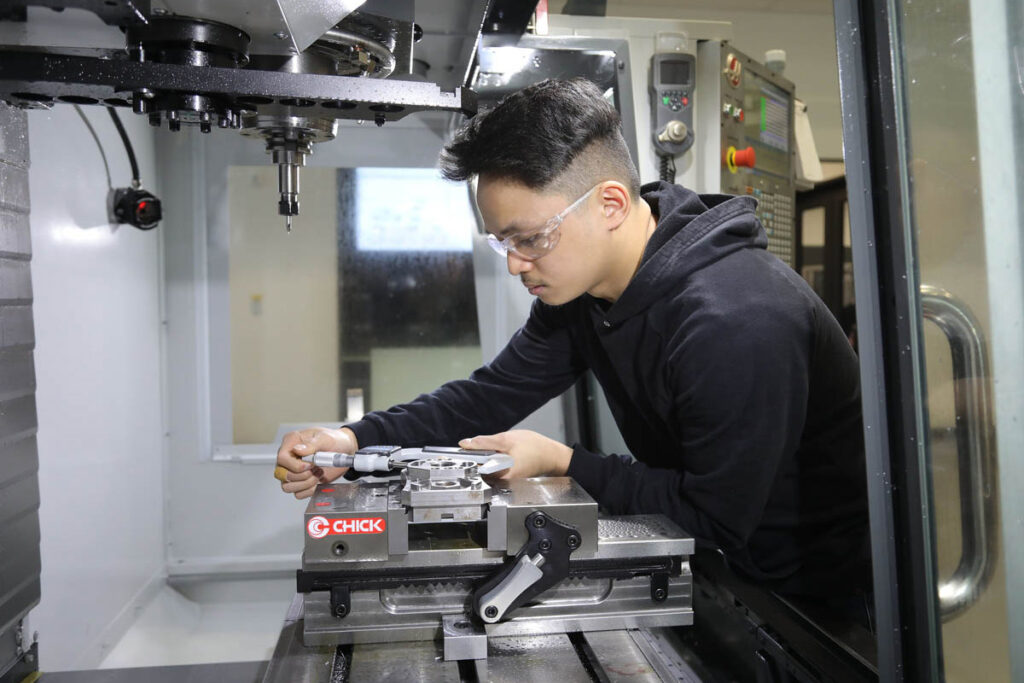
CNC turning procedures use significant advantages in production, particularly pertaining to precision and precision. These processes enable for the creation of very detailed parts have a peek here with marginal tolerances, ensuring high quality in manufacturing. Furthermore, the performance of CNC turning adds to lowered lead times, making it possible for faster distribution of completed items.
Precision and Accuracy
Precision and accuracy are hallmark attributes of CNC transforming processes, setting them apart in the production landscape. These procedures make use of computer numerical control to lead cutting tools with unparalleled exactness. This results in elements that satisfy rigorous specifications and tolerances, minimizing the likelihood of errors. CNC transforming permits for repeatable and consistent manufacturing, making certain that each part is practically similar, which is crucial in sectors calling for next high standards, such as aerospace and clinical tools - jig and fixture tooling. Additionally, advanced software application and innovation make it possible for real-time changes throughout machining, boosting total quality. By minimizing human error and taking full advantage of control over the manufacturing process, CNC turning services provide superior accuracy and precision, making them an essential choice for modern production demands
Lowered Lead Times
Lowered preparations are a considerable advantage of CNC turning processes, coming from their capability to automate and enhance production. CNC turning equipments run with high effectiveness, enabling for rapid setup and execution of multiple jobs without the requirement for substantial hands-on intervention. This automation decreases downtime and increases the manufacturing process, making it possible for quicker turn-around for orders. Furthermore, CNC innovation enhances uniformity and decreases errors, which better adds to faster manufacturing cycles. Therefore, businesses can fulfill tight deadlines and react immediately to market demands. By leveraging CNC turning procedures, companies can enhance workflows, enhance source allotment, and ultimately boost their one-upmanship via reduced preparations.
Precision and Accuracy in Production
While making processes have actually advanced considerably over the years, the value of accuracy and accuracy stays critical. In CNC machining, these two aspects are vital to producing high-quality elements that fulfill precise requirements. The integration of sophisticated computer system technology enables meticulous control over machining specifications, ensuring that components are crafted with marginal discrepancy from designated layouts.
Precision in manufacturing describes the repeatability of procedures, while precision denotes exactly how very closely a completed part lines up with its designated measurements. CNC machines utilize advanced software program and devices that enable producers to accomplish both, visibly reducing the margin for error - fast prototyping. This ability is especially necessary in sectors such as aerospace, auto, and medical, where even minor inaccuracies can lead to devastating failures
Lowering Lead Times With CNC Innovation
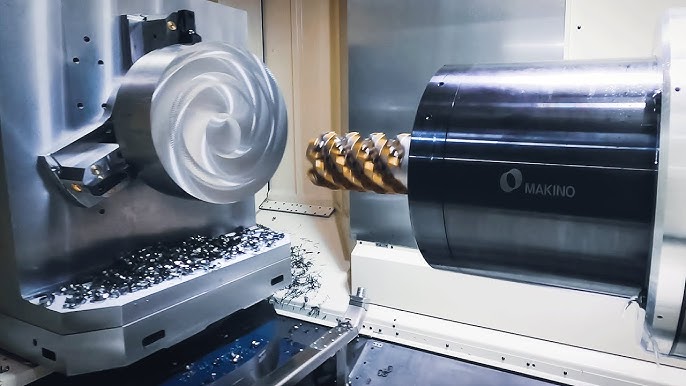
CNC technology increases manufacturing timelines by streamlining the machining procedure. By automating tasks, CNC equipments lessen manual treatment, greatly lowering the time needed for setup and procedure. This performance allows suppliers to react quickly to market needs, satisfying orders much faster than standard machining techniques allow.
Furthermore, CNC technology uses quick prototyping abilities, enabling quick models and adjustments based upon customer feedback. The accuracy of CNC machining ensures that components are generated correctly the very first time, lowering the possibility of expensive mistakes and rework.
Moreover, progressed organizing and shows capacities maximize workflow, allowing multiple procedures to run simultaneously. This combination of innovation not only shortens lead times yet additionally boosts total efficiency. Inevitably, the fostering of CNC machining services outfits suppliers with the devices needed to satisfy tight deadlines while keeping high-quality criteria in manufacturing.
The Future of CNC Machining in Industry
As manufacturers significantly take on CNC innovation to improve processes and lower preparations, the future of CNC machining in industry shows up appealing. Developments such as synthetic knowledge and artificial intelligence are set to revolutionize the capacities of CNC devices, enhancing their accuracy and adaptability. These advancements will certainly facilitate real-time surveillance and predictive upkeep, lessening visit homepage downtime and enhancing manufacturing effectiveness.
The assimilation of Web of Points (IoT) technologies will make it possible for better information collection and analysis, enabling producers to make enlightened choices that better enhance functional performance. The rise of additive production along with CNC machining is anticipated to complement conventional approaches, offering higher layout flexibility and material effectiveness.
In addition, as sustainability becomes a concern, CNC machining is advancing to incorporate green methods, which will certainly bring in environmentally conscious consumers. Generally, the future of CNC machining is identified by continual development and adaptation, positioning it as a foundation of modern-day production.
Frequently Asked Concerns
What Materials Are Suitable With CNC Machining Solutions?
CNC machining solutions work with numerous products, consisting of steels like light weight aluminum, steel, and titanium, as well as plastics such as acrylic and polycarbonate. Wood and composites additionally suit CNC procedures for varied applications.
Just How Does CNC Machining Contrast to Typical Machining Approaches?
CNC machining supplies greater accuracy, automation, and consistency contrasted to typical techniques. It decreases human error, increases manufacturing rate, and permits complicated styles, making it an exceptional choice in modern production atmospheres.
What Industries Benefit one of the most From CNC Machining Solutions?
The aerospace, automotive, clinical, and electronic devices markets benefit substantially from CNC machining solutions. These industries leverage rate, personalization, and precision to improve item high quality while minimizing production costs and time, inevitably improving general operational effectiveness.
Can CNC Machines Deal With Facility Geometries and Layouts?
CNC makers are adept at taking care of complicated geometries and layouts, permitting accuracy and elaborate describing. Their sophisticated shows capabilities make it possible for manufacturers to produce components with high precision, meeting varied industry demands and boosting product performance.
What Is the Typical Expense Array for CNC Machining Services?
The normal price range for CNC machining services differs widely, normally falling between $50 to $150 per hour, depending upon variables such as material, complexity, quantity, and the details machining processes utilized.
CNC machining is a specific production process that uses computer-controlled machines to produce complex components and parts. CNC machining offers considerable benefits in milling procedures, specifically regarding precision and accuracy. CNC machining considerably lowers the time required for milling processes by automating operations and reducing hands-on treatment. CNC modern technology increases manufacturing timelines by streamlining the machining process. As manufacturers increasingly adopt CNC innovation to enhance procedures and minimize lead times, the future of CNC machining in market shows up appealing.